
In today’s fast-paced professional world, workplace pressure has become a common part of daily life. Tight deadlines, heavy workloads, long hours, and constant performance expectations can leave many employees feeling emotionally drained. While occasional stress is normal, ongoing pressure can develop into serious job-related anxiety that affects both mental and physical wellbeing. This is where workplace stress therapy can play a valuable role.
Many individuals are now turning to professional therapy to better manage work-related stress, improve emotional resilience, and regain balance in their lives. But is workplace stress therapy truly the key to reducing job-related anxiety? Let’s explore how it works and why it can make a meaningful difference.
Understanding Job-Related Anxiety
Job-related anxiety refers to ongoing feelings of worry, tension, nervousness, or fear connected to the workplace. It can affect employees in any industry and may result from excessive workloads, poor work-life balance, workplace conflict, job insecurity, or high-pressure environments.
Common signs of workplace anxiety include:
Constant overthinking about work
Difficulty concentrating
Feeling overwhelmed or emotionally exhausted
Irritability and mood swings
Trouble sleeping
Physical symptoms like headaches or fatigue
Fear of failure or making mistakes
If ignored, workplace anxiety can impact productivity, relationships, confidence, and overall quality of life.
What Is Workplace Stress Therapy?
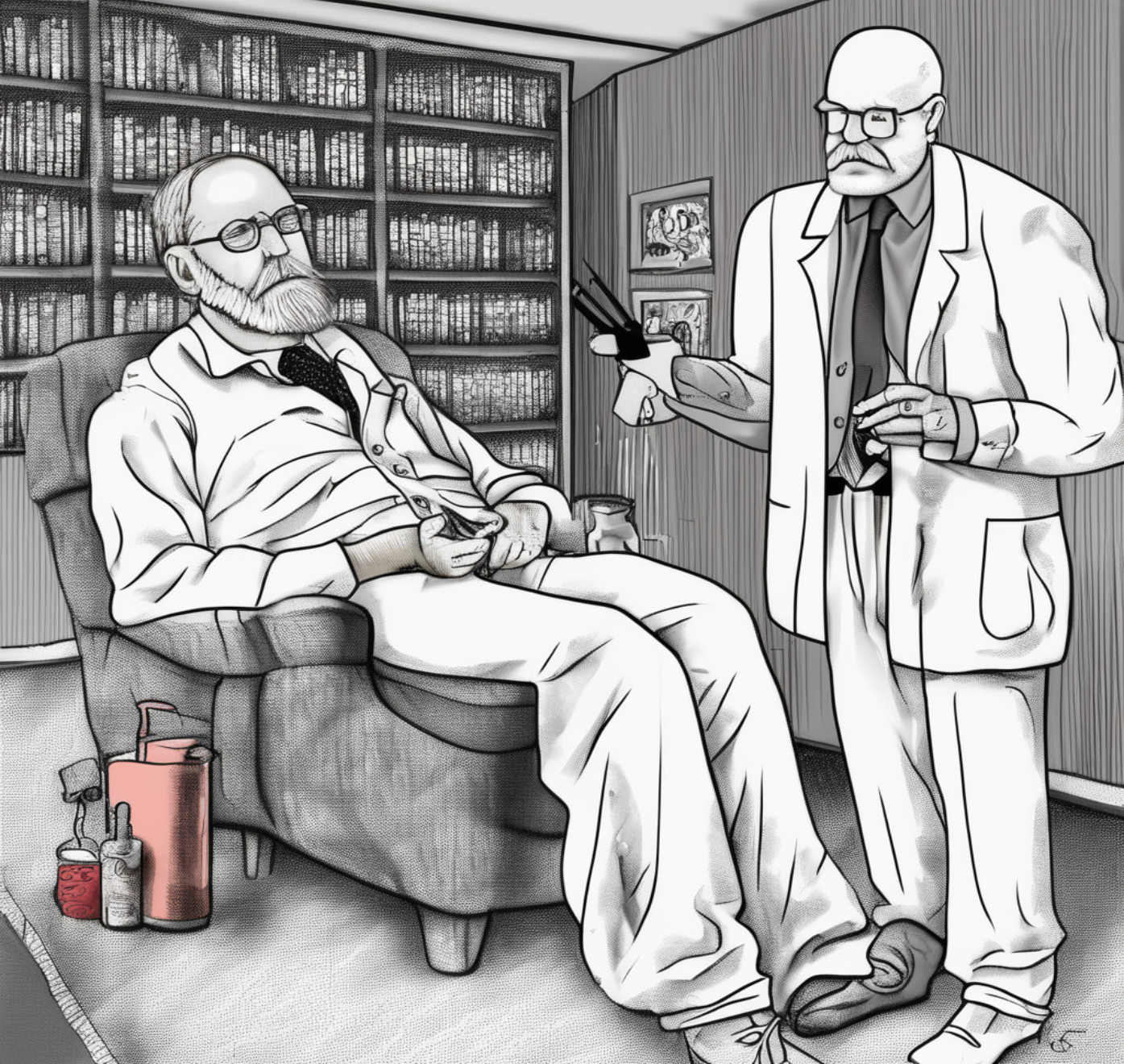
Workplace stress therapy is a professional therapeutic approach designed to help individuals understand, manage, and reduce work-related stress and anxiety. It provides a safe and supportive space where people can openly discuss workplace challenges and develop healthier coping strategies.
Therapists use evidence-based techniques to help individuals:
Identify the causes of workplace stress
Manage emotional responses
Improve communication and boundaries
Develop stress-management techniques
Build confidence and resilience
Create healthier work-life balance habits
At Adelaide Hills Psychotherapy Service, workplace stress therapy is tailored to each individual’s personal and professional experiences, helping clients achieve long-term emotional wellbeing.
Common Causes of Workplace Stress
Understanding the causes of workplace stress is the first step toward managing it effectively. Some of the most common triggers include:
Heavy Workloads
Consistently handling unrealistic deadlines and excessive responsibilities can create chronic stress and emotional exhaustion.
Poor Work-Life Balance
When work begins to affect personal time, relationships, and rest, stress levels can rise significantly.
Workplace Conflict
Tension with managers, colleagues, or clients can create ongoing anxiety and emotional discomfort.
Lack of Support
Employees who feel unsupported or undervalued at work often experience increased stress and reduced motivation.
Fear of Failure
High expectations and pressure to perform perfectly can lead to self-doubt and constant worry.
How Workplace Stress Therapy Helps
Provides Emotional Support
Therapy offers a confidential and non-judgmental environment where individuals can express their thoughts and feelings openly. Simply talking about workplace pressures can reduce emotional burden and improve mental clarity.
Teaches Healthy Coping Skills
One of the main benefits of workplace stress therapy is learning practical coping strategies. These may include breathing techniques, mindfulness, relaxation exercises, emotional regulation skills, and time-management methods.
Helps Identify Stress Patterns
Therapists help individuals recognize negative thought patterns and behaviours that contribute to anxiety. Understanding these patterns allows people to respond to stress in healthier ways.
Encourages Better Boundaries
Many people struggle to separate work from personal life. Therapy helps individuals set realistic boundaries, improve communication, and create a healthier balance between career and wellbeing.
Improves Confidence and Resilience
Workplace anxiety can reduce self-esteem and create feelings of inadequacy. Therapy supports personal growth by helping individuals build confidence, resilience, and emotional strength.

The Long-Term Benefits of Workplace Stress Therapy
The positive effects of workplace stress therapy often extend beyond the workplace itself. Individuals who participate in therapy may experience:
Improved emotional wellbeing
Better concentration and productivity
Healthier relationships
Increased confidence
Reduced burnout
Better sleep and physical health
Greater work satisfaction
Therapy not only helps manage current stress but also provides long-term tools for handling future challenges more effectively.
When Should You Seek Workplace Stress Therapy?
It may be time to consider professional support if:
Stress feels constant or overwhelming
Anxiety is affecting your sleep or health
You feel emotionally exhausted most days
Work stress is impacting relationships
You struggle to switch off after work
You feel unmotivated or burnt out
Anxiety is affecting job performance
Seeking therapy early can prevent stress from developing into more serious mental health concerns.
Why Professional Support Matters
Many people try to manage workplace stress alone, believing it is simply part of modern work culture. However, ongoing stress should not be ignored. Professional therapy provides structured support and personalised strategies that can significantly improve emotional wellbeing.
At Adelaide Hills Psychotherapy Service, clients receive compassionate and evidence-based care designed to address the root causes of stress and anxiety. Therapy sessions focus on helping individuals feel more balanced, supported, and empowered in both their personal and professional lives.
Self-Care Tips Alongside Therapy
While therapy is highly effective, combining it with healthy lifestyle habits can further support mental wellness. Helpful self-care strategies include:
Taking regular breaks during work
Practicing mindfulness or meditation
Staying physically active
Maintaining healthy sleep habits
Limiting overtime where possible
Talking openly with trusted people
Prioritising personal time and relaxation
Small daily changes can make a significant difference in reducing stress levels.
Final Thoughts
So, is workplace stress therapy the key to reducing job-related anxiety? For many individuals, the answer is yes. Workplace stress therapy provides practical tools, emotional support, and professional guidance that help people better understand and manage work-related pressure.
In a world where workplace stress is increasingly common, prioritising mental health is essential. Therapy can help individuals regain emotional balance, improve resilience, and create healthier relationships with work and life.
If job-related anxiety is affecting your wellbeing, seeking support from Adelaide Hills Psychotherapy Service may be the first step toward feeling calmer, healthier, and more in control again.
Check Here for more information: How to Manage Work Stress: Benefits of Workplace Stress Therapy Explained








Write a comment ...